Discovering the Force: A Comprehensive Guide to VR6 Jetta Engine Systems
The VR6 engine represents a unique fusion of powerful performance and compact engineering. Its distinctive engineering appeals to dedicated car enthusiasts and daily commuters. Given the wide range of aftermarket modifications on offer, a growing number of owners aim to maximize their vehicle's potential. Familiarizing oneself with critical tuning practices and typical maintenance challenges can greatly impact longevity and performance. As the discussion unfolds, the various avenues for unlocking the full potential of the VR6 will become increasingly clear.
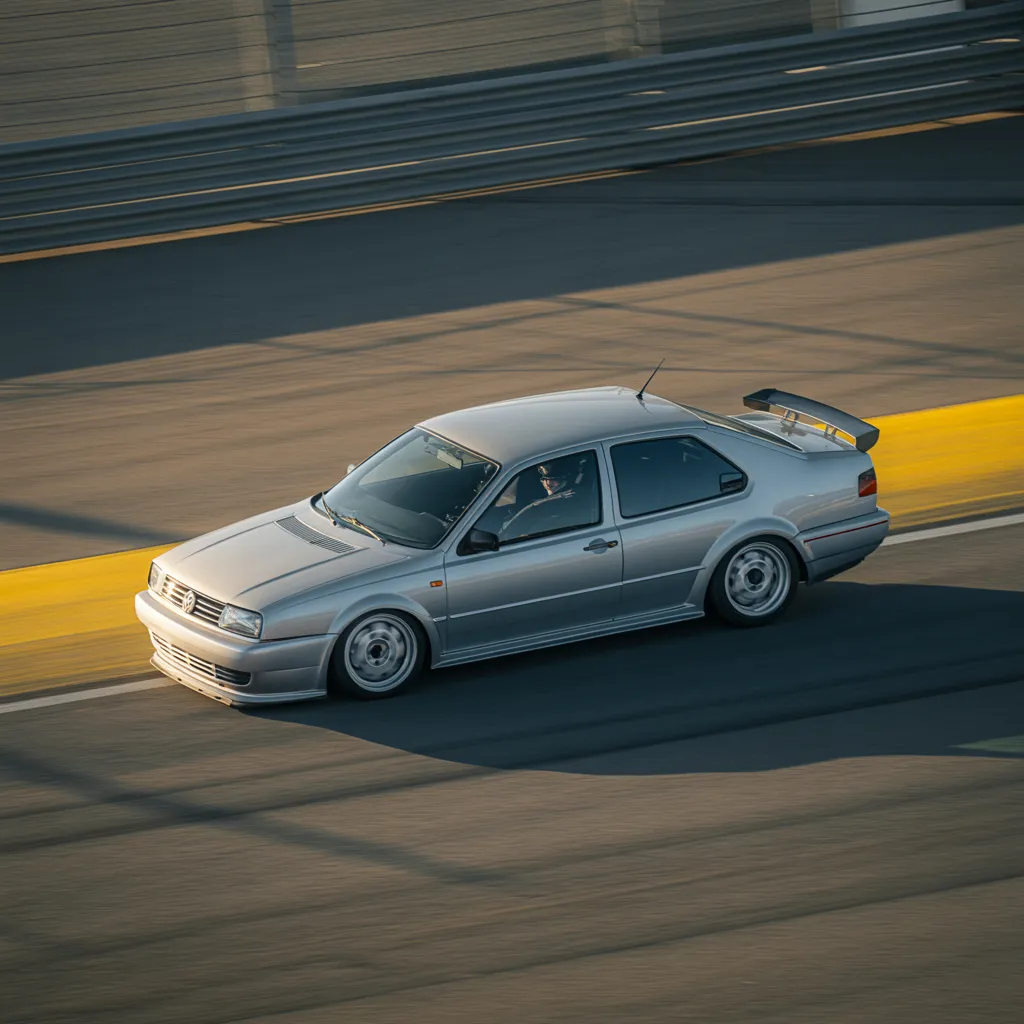
The Innovative Engineering of the VR6 Engine
The VR6 engine is remarkable in engine design due to its unique design that integrates the characteristics of both inline and V configurations. This distinctive layout permits the VR6 to remain compact while generating substantial power. The engine incorporates a narrow V-angle configuration, which enables a shorter engine length when measured against traditional V engines. This compactness enables simpler fitment in various vehicle platforms, particularly in the Jetta.
Moreover, the VR6 employs a unified cylinder head, simplifying the design while minimizing weight. Its design achieves smooth operation and minimal vibration, boosting total driving comfort. The engine typically employs a specialized firing arrangement that generates its characteristic sound, attracting automotive enthusiasts. Overall, the VR6 engine represents exceptional engineering, striking a balance between performance, efficiency, and space-saving designs, establishing it as an exceptional selection for a wide range of automotive applications.
What Are the Benefits of Upgrading Your VR6 Jetta
Upgrading a VR6 Jetta can considerably elevate both handling and performance characteristics. Enthusiasts often desire advancements in power output, handling, and overall efficiency. The VR6 engine, renowned for its unique design and smooth operation, serves as a solid foundation for such improvements. These changes can deliver noticeable gains in horsepower and torque, leading to swifter throttle response and a more dynamic driving experience.
Furthermore, modifications can improve the automobile's agility and responsiveness, making it more enjoyable to drive in various environments. A properly tuned VR6 Jetta can additionally achieve better fuel efficiency, supporting a balance between performance and practicality.
Moreover, upgrading components such as the exhaust system, suspension, and brakes can elevate the vehicle's performance characteristics, ensuring a more exciting experience behind the wheel. Ultimately, these modifications not only boost driving performance but also raise the vehicle's appeal and value to existing and potential owners alike, making these enhancements a sound consideration.
Top Aftermarket Modifications for VR6 Power
Boosting VR6 performance frequently starts with carefully chosen aftermarket enhancements that elevate performance. Among the most effective upgrades is a enhanced-flow intake system, which provides increased airflow, enhancing combustion efficiency. Coupled with a performance exhaust system, this setup not only boosts power but also provides a more dynamic sound.
Another popular modification is the addition of a performance chip or ECU tune, which adjusts engine parameters to enhance horsepower and torque. Upgrading the ignition system with high-performance coils and spark plugs can also deliver notable improvements, ensuring peak combustion.
For anyone seeking to upgrade handling in addition to performance, enhanced suspension parts, like coilovers and stabilizer bars, are a must. Additionally, lightweight rims decrease unsprung mass, improving both acceleration and braking. Together, these key mods create a well-rounded approach to unleashing the genuine capabilities of the VR6 engine.
Essential Tuning Techniques for Optimizing VR6 Motor Efficiency
Optimizing the VR6 engine demands a strategic approach to realize its full performance potential. Core approaches involve refining the combustion mixture through recalibrating the ECU, which improves throttle response and overall power output. Improving the air intake and exhaust systems can substantially enhance airflow, permitting the engine to draw in more air and function more consult this source effectively at elevated RPM ranges.
Incorporating a power chip can calibrate fuel delivery and ignition timing, maximizing overall performance and power output. Additionally, periodic inspection of parts including spark plugs and ignition components assures that the engine operates efficiently, avoiding power loss.
Acquiring a top-tier intercooler is crucial for anyone seeking to boost forced induction setups, as it works to preserve ideal intake temperatures. Additionally, employing a dyno for accurate tuning enables real-time modifications, guaranteeing that the engine runs at peak efficiency across diverse driving conditions. These critical techniques combine to elevate the VR6's power potential.
Handling Common Problems in VR6 Engines
Within VR6 engines, timing chain tensioner problems and intake manifold issues are among the most frequently encountered concerns. If left unaddressed, these issues can result in considerable performance decline and possible engine damage. Grasping the underlying causes and effective solutions is vital for sustaining maximum engine functionality.
Timing Chain Tensioner Failures
Timing chain tensioner issues frequently arise in VR6 engines, leading to potential performance issues and costly repairs. These issues often stem from deterioration or malfunction of the tensioner, which can result in improper chain tension. A malfunctioning tensioner may cause the timing chain to rattle or produce unusual noises, indicating that the chain may not be properly aligned. If left unchecked, this can lead to serious engine harm, including bent valves or a complete engine failure. Periodic evaluations and timely substitutions of the timing chain tensioner can help reduce these dangers. VR6 engine owners should remain watchful for indicators of tensioner problems to guarantee peak performance and longevity of their vehicles.
Intake Manifold Problems
Intake manifold issues can significantly influence the performance and efficiency of VR6 engines. Typical issues involve vacuum leaks, which can cause unstable idling and diminished fuel economy. Furthermore, the structure of the intake manifold can produce irregular air distribution, resulting in power loss and rough engine performance. Over time, carbon buildup can additionally block airflow, progressively worsening engine efficiency. Periodic inspections are necessary to detect these problems promptly. Swapping out worn or faulty parts can restore peak performance. Furthermore, transitioning to performance intake manifolds may enhance airflow and increase horsepower. Addressing these concerns guarantees that the VR6 engine functions reliably, upholding its legacy of strength and dependability.
Preventive Maintenance Guidelines for Your VR6
Maintaining a VR6 engine calls for careful consideration of a number of critical elements to guarantee peak performance and longevity. Consistent oil changes are vital, with synthetic oil recommended to endure the engine's operational stress. Inspecting coolant levels and guaranteeing that the system remains leak-free will guard against overheating, a well-known concern in VR6 engines.
Additionally, the timing chain and tensioner must be reviewed consistently, as malfunctions may result in extensive engine deterioration. Changing the air filter on a routine basis ensures optimal airflow and engine performance.
Examining the spark plugs and ignition coils is essential for ensuring effective combustion. Tire pressure and alignment should not be neglected, as these factors also influence the performance of the engine.
Ultimately, employing a quality fuel additive can effectively clean fuel injectors and optimize overall efficiency. By sticking to these essential maintenance guidelines, VR6 engine owners can maximize their engine's performance while reducing unexpected problems.
Analyzing VR6 Performance Versus Other Engine Types
Although numerous engine configurations provide unique benefits, the VR6 distinguishes itself for its exceptional combination of power and compact design. The VR6 design offers a powerful power band, producing outstanding torque and horsepower, which improves the driving experience in the Jetta. Measured against inline-four engines, the VR6 commonly delivers more refined power delivery and a more captivating sound, appealing to performance-minded drivers.
Unlike conventional V6 engines, the VR6's more compact design provides increased adaptability in vehicle layouts, leading to enhanced handling performance. Turbo engines, while often yielding greater peak output, may lack the linear power delivery characteristic of the VR6, which proves more satisfying in daily driving situations.
All things considered, the VR6 engine maintains a balance between performance and functionality, making it a persuasive choice for those seeking a thrilling driving experience without sacrificing spatial comfort and design.
Common Questions and Answers
What Is the Story Behind the History of the VR6 Engine Design?
The VR6 powertrain design emerged in the late 1980s, engineered by Volkswagen. It brought together the strengths of a V6 and inline engine, offering compact dimensions while maintaining smooth operation and powerful performance for various models.
How Does the VR6 Engine Measure Up to Turbocharged Engines?
The VR6 engine delivers a unique blend of performance and refinement, typically delivering a more steady power delivery in contrast to turbocharged engines, which tend to deliver power in bursts, resulting in a notably different driving character.
What Is the Average Lifespan of a VR6 Engine?
The typical lifespan of a VR6 engine usually spans between 150,000 and 200,000 miles, based on driving conditions and maintenance. Adequate servicing can greatly extend its service life and total performance endurance.
What Are the Specific Oil Recommendations for VR6 Engines?
VR6 engines are known to thrive on high-quality synthetic oils, particularly those with a viscosity rating of 5W-40 or alternatively 0W-40. Consistent oil changes combined with strict adherence to manufacturer guidelines guarantee peak performance and longevity for VR6 engines.
What Are the Top Fuel Types for Maximizing VR6 Performance?
To optimize VR6 power output, premium unleaded fuel with an octane level of 91 or above is advised. This fuel type improves combustion performance, maximizing power output and general engine response, critical for performance-oriented driving.
Comments on “VW Performance Sedan for Daily Driving”